
Aromatic Herbs for Cooking that fill Your Kitchen with Fragrance & Flavor
Aromatic plants can turn an ordinary kitchen into a place that feels warm, fresh, and alive.
Discover the most useful aromatic herbs for cooking, from bright windowsills to small countertop pots, I will walk you through the best aromatic herbs for cooking, including easy options for beginners and more intense flavors for food lovers.
So you’ll know exactly which aromatic plants to grow, how to keep your aromatic herbs healthy, and how to harvest them so every meal gets that just-picked fragrance and flavor.

I personally select and recommend every product you see on this page because I believe it truly helps you grow healthier, happier indoor plants, also for convenience and fast shipping, we link to products available on Amazon.
As an Amazon Associate, we earn a small commission from qualifying purchases at no extra cost to you. Every purchase you make helps support our mission to share knowledge, inspire greener homes, and keep the Indoor Plant Care community growing. 🌱
Uplifting Aromatic Kitchen Plants
Why: Classic Italian flavor, great in pasta, salads, sauces.
Light: Bright light
Best used for: Pesto, caprese, marinades.

Why: Strong aroma, woody evergreen herb perfect for roasts.
Light: Bright light
Best used for: Chicken, potatoes, bread, infused oils.

Why: Refreshing scent, fast grower, great for drinks & desserts.
Light: Medium–bright
Best used for: Tea, mojitos, fruit dishes.

Why: Small, fragrant leaves with lots of flavor; easy indoors.
Light: Bright
Best used for: Soups, stews, roasted vegetables.

Why: Aromatic, strong Mediterranean scent; thrives in pots.
Light: Bright
Best used for: Pizza, pasta sauces, grilled meats.

Why: Fresh, clean taste; fast-growing and easy for beginners.
Light: Medium–bright
Best used for: Sauces, soups, garnishes.
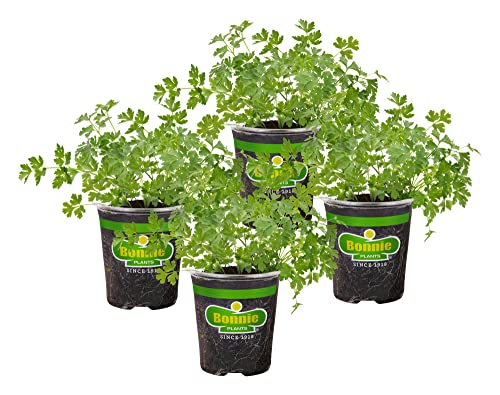
Why: Mild onion aroma; perfect for kitchen windowsills.
Light: Bright
Best used for: Omelettes, potatoes, dips.
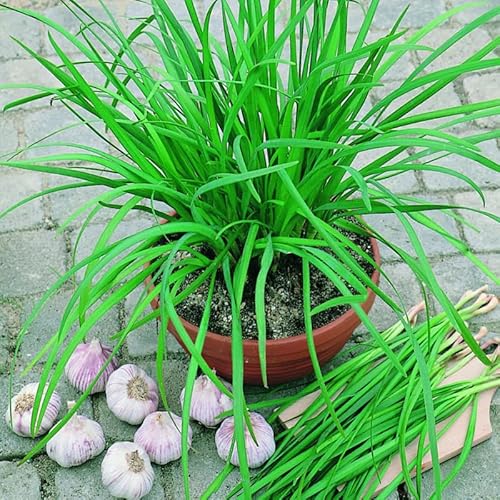
Why: Strong aroma that brings dishes to life.
Light: Medium light
Best used for: Tacos, curries, salads.

Why: Warm, earthy scent; very decorative leaves.
Light: Bright
Best used for: Butter sauces, poultry, autumn dishes.

Why: Soft citrus scent; great in teas and desserts.
Light: Medium–bright
Best used for: Herbal teas, lemon desserts, infused water.

Quick Guide: Grow, Keep Healthy, and Harvest Aromatic Herbs for Cooking
1) Choose the right aromatic plants for your space
Bright window (4–6+ hours light): basil, rosemary, thyme, oregano
Medium light (2–4 hours): mint, parsley, chives
Low light: you’ll usually need a small grow light to get strong flavor.
2) Keep your aromatic herbs healthy (simple routine)
Water: water deeply, then wait until the top 2–3 cm of soil dries before watering again.
Drainage: always use a pot with drainage holes (no “standing water”).
Light: rotate pots weekly so plants grow evenly.
Feeding: a light fertilizer once every 3–4 weeks in the growing season is usually enough (too much = weaker flavor).
3) Harvest for maximum fragrance and continued growth
Pinch often: harvest little and often to encourage bushy growth.
Where to cut: snip just above a leaf node (where new shoots can form).
How much: don’t remove more than ⅓ of the plant at one time.
Best time: harvest in the morning, after leaves dry—flavor oils are usually strongest then.
4) Fast fixes for common problems
Leggy herbs (tall, weak): increase light + pinch the tips more often.
Yellow leaves: usually too much water—let soil dry more between waterings.
Slow growth: move closer to light or add a grow light, and check drainage.
Now You’ll know exactly which aromatic plants to grow, how to keep your aromatic herbs healthy, and how to harvest them so every meal gets that just-picked fragrance and flavor.