Root Rot & Overwatering in Houseplants
How to spot it fast, fix it safely, and keep it from coming back
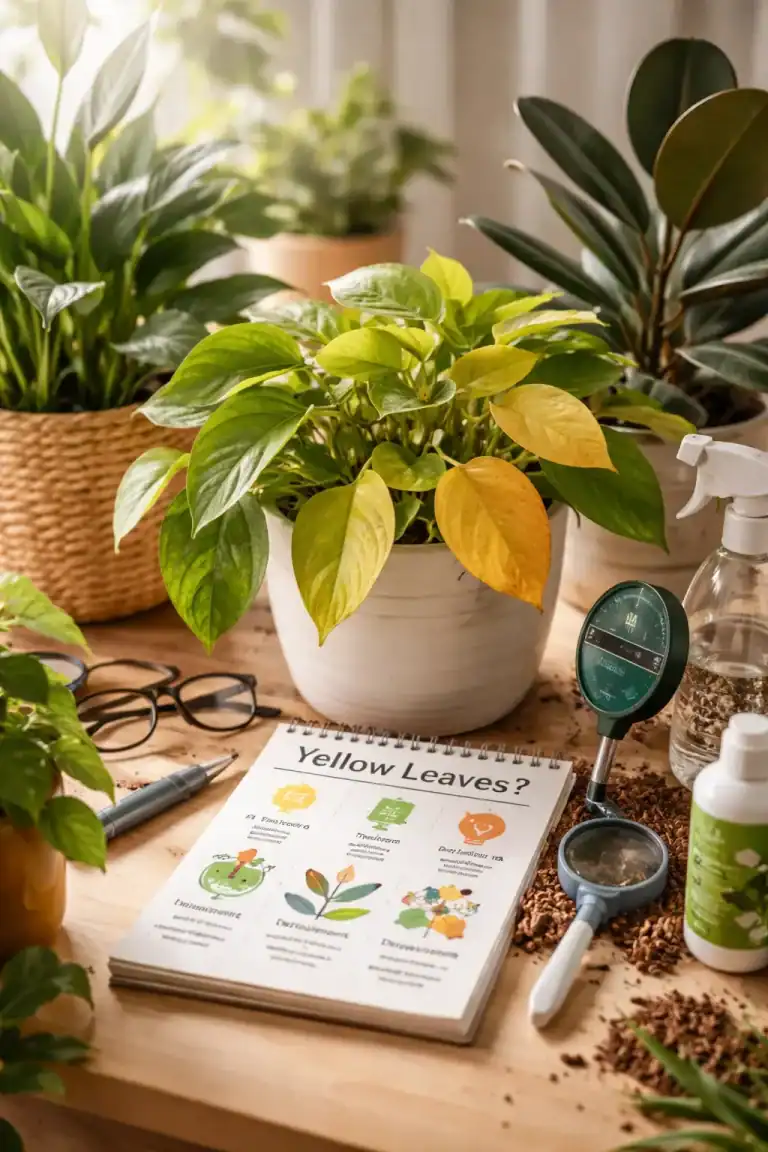
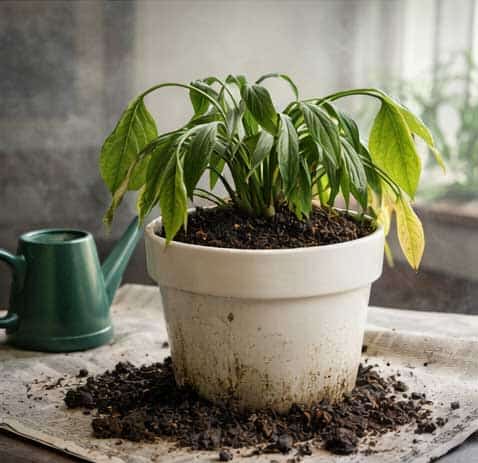
There’s a specific kind of heartbreak that comes with houseplants: you did everything “right.” You watered. You cared. You checked on them like a proud plant parent… and then one day your once-happy plant looks tired, yellow, droopy, or weirdly soft—like it’s giving up because of root rot.
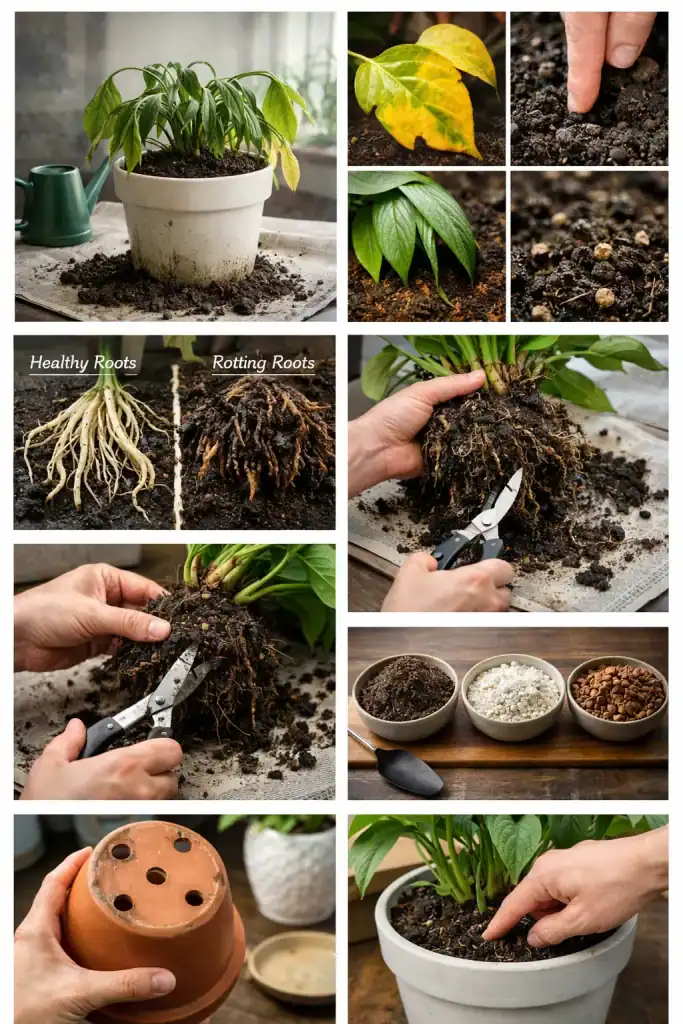
The 10 clearest signs your plant is overwatered (and may be rotting)
Not every droopy plant is thirsty. These signs point strongly toward overwatering/root trouble:
– Soil stays wet for days (especially on top and below the surface)
– Leaves turn yellow starting from the lower/older leaves
– Mushy stems near the soil line
– Drooping even after watering
– Leaves look dull, soft, or translucent
– A “swampy” or sour smell from the pot
– Blackened leaf spots that spread
– Sudden leaf drop (green leaves falling off is a big red flag)
– Slow growth or “stuck” growth for weeks
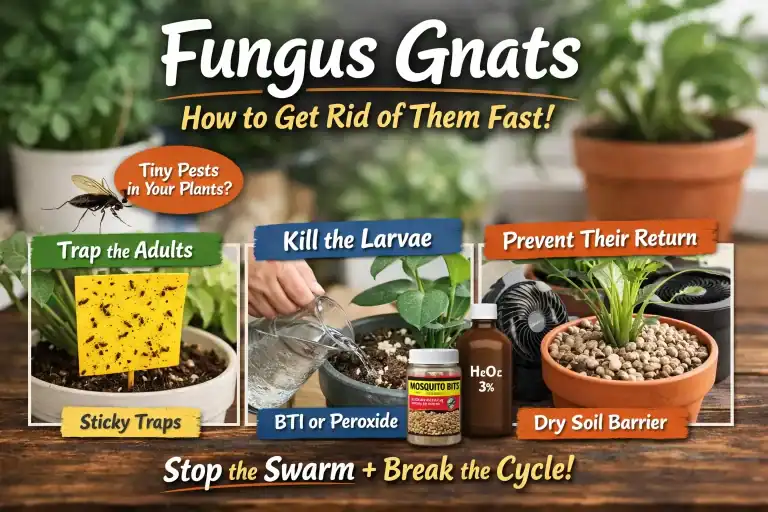
– Fungus gnats showing up (they love consistently moist soil)
If fungus gnats are also around, that’s often a clue your soil is staying wet long enough to become a mini ecosystem.
Recommended products:

I hand-pick every recommendation. Some links are to Amazon for convenience and fast shipping. As an Amazon Associate, we earn a small commission at no extra cost to you, thanks for supporting Indoor Plant Care. 🌿
-
 $24.99Buy Now
Improves drainage instantly: reduces soggy pockets that trigger root rot.
Adds airflow to the root zone: roots breathe better and grow stronger.
Makes watering more forgiving: soil dries more evenly, so one “extra” watering is less risky.
06/08/2026 05:01 am GMT -
 $24.99Buy Now
Prevents overwatering fast: lets you check moisture below the surface where roots actually are.
Removes the guesswork: great for beginners who aren’t sure when “dry enough” is.
Helps recovery succeed: after repotting, it helps you avoid re-wetting stressed roots too soon.
06/08/2026 05:01 am GMT -
 $12.69Buy Now
Creates a chunkier, airier mix: prevents soil compaction over time.
Boosts root health: better oxygen = less rot + better nutrient uptake.
Perfect for popular houseplants: especially aroids (pothos, philodendron, monstera) that love airy mixes.
06/08/2026 05:01 am GMT -
 $25.99Buy Now
Dries faster than plastic: terracotta “breathes,” helping wet soil evaporate.
Drainage holes protect roots: excess water can escape instead of pooling at the bottom.
Makes watering safer: you can water thoroughly, then let it fully drain (no standing water).
06/08/2026 05:01 am GMT -
 $35.99Buy Now
Cleaner cuts = healthier recovery: neat trims reduce stress and damage to roots.
More precise than kitchen scissors: easier to remove only the rotten parts.
Helps prevent spread: easier to clean/disinfect between cuts during rescue.
06/08/2026 05:01 am GMT
Root Rot & Overwatering in Houseplants
Here’s the truth that most beginners don’t hear soon enough:
Root rot is rarely a “mystery disease.”
It’s usually a slow drowning.
And the good news is… once you know what to look for, you can catch it early and save a plant that looks like it’s already past saving.
Let’s make root rot simple, practical, and fixable, without panic watering, without guilt, and without losing the plant you love.
What is root rot
(and why it happens)
Root rot happens when roots sit in wet soil for too long and can’t breathe. Roots need oxygen. When soil stays constantly soggy, roots suffocate. Once weakened, they become easy targets for fungi and other pathogens that thrive in wet conditions.
So yes—root rot can involve fungi.
But the first problem is usually too much water + not enough air.
The fastest way to confirm root rot (no guessing)
If you suspect root rot, don’t rely on the leaves alone. The leaves are “symptoms.” The roots are the truth.
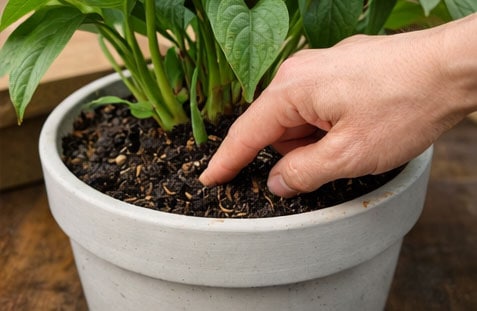
Do this simple check:
- Touch the soil: if it feels wet below the top inch days after watering, it’s a risk zone.
- Smell the pot: a sour smell is often rotting roots.
- Unpot the plant: yes, it’s scary—but it’s the most important step.
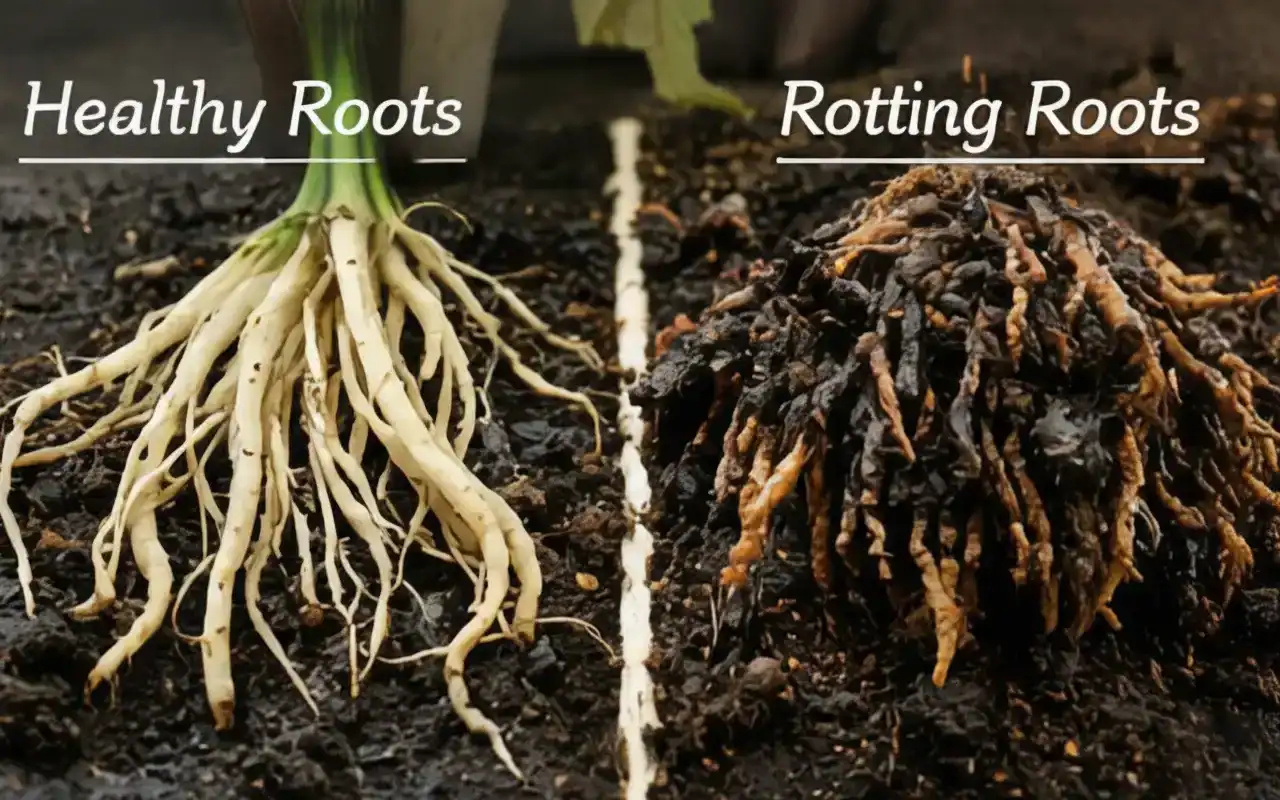
Healthy roots look like:
- white or pale tan
- firm and springy
- earthy smell
️
Rotting roots look like:
- brown or black
- soft, mushy, slimy
- they may “slide” apart when you pinch them
- unpleasant smell (like spoiled potatoes or swamp water)
If roots are mostly healthy but soil is wet: you caught it early.
If many roots are mushy: time for rescue mode.
Root rot rescue plan (step-by-step)
This is the part where most people either overreact (and damage the plant) or freeze (and lose time). Here’s the calm, effective approach:
Step 1: Remove the plant from the pot
Gently loosen the rootball. If the soil is very wet, don’t try to “save” it—remove as much soggy soil as possible.
Step 2: Rinse and inspect
Rinse roots under lukewarm water. This makes it easier to see what must go.
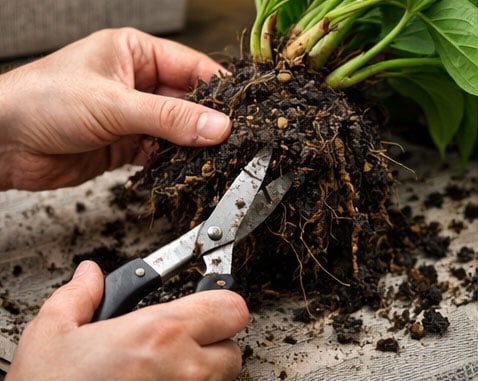
Step 3: Trim rotten roots (be brave and clean)
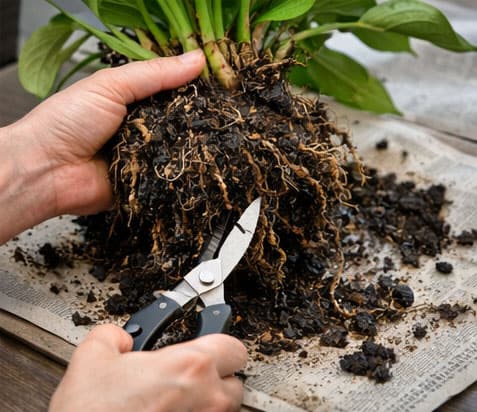
Use clean scissors or pruners.
- Trim anything that is mushy, black, or hollow.
- Keep anything firm—even if it looks slightly discolored.
- If the plant lost a lot of roots, it may also need a leaf trim later to rebalance water demand.
Important: wipe blades with rubbing alcohol between cuts if the rot is severe.
Step 4: Disinfect (optional but helpful)
You can do one of these:
- 3% hydrogen peroxide diluted 1:3 with water and briefly rinse roots
- or a light fungicide (if you already use one)
Don’t soak for long. Think “quick clean,” not “marinating.”
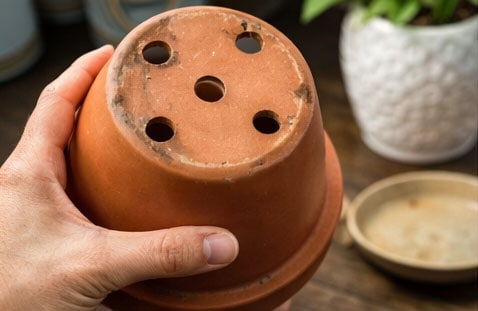
Step 5: Choose the right pot (and drainage matters more than size)
- Make sure there is at least one drainage hole (more is better).
- Avoid “oversizing.” A pot that is too big holds extra moisture and slows drying.
- If reusing the same pot, wash it with soap and water first.
Step 6: Repot in an airy soil mix
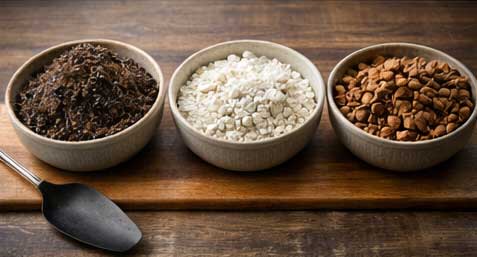
Root rot thrives in soil that stays wet and dense. Your new soil should be light, chunky, and breathable.
A simple, effective indoor mix:
- 2 parts potting soil
- 1 part perlite or pumice
- 1 part orchid bark or coco chips (optional but amazing for airflow)
For plants like pothos/philodendron/monsteras: this mix is gold.
Step 7: Don’t water immediately (yes, really)
After trimming roots, they are “wounded.” Give them time to callus.
- Wait 24–48 hours before watering (unless the plant is extremely thirsty and still has strong roots).
- Then water thoroughly once and let it drain completely.
Step 8: Put it in “recovery light,” not harsh sun
Bright, indirect light is best during recovery.
Avoid:
- cold drafts
- direct blazing sun
- fertilizer (not yet!)
Do not fertilize a recovering plant. It’s like giving espresso to someone who’s dehydrated and stressed.
What if the root rot is advanced?
If most roots are gone, the plant may not be able to support all its leaves anymore.
Two rescue options:
Option A: Hard reset
- Trim the plant back (remove some leaves/stems)
- Reduce transpiration
- Support regrowth
Option B: Propagation backup plan (often the smartest)
If it’s a vining plant (pothos, philodendron, tradescantia):
- take healthy cuttings
- root them in water or moist perlite
- you essentially “restart” the plant from healthy tissue
This isn’t failure. It’s plant triage—and it works.er yellow leaves rarely turn green again, so watch for healthier new leaves.
The #1 reason people keep getting root rot
(even when they “water less”)
They water on a schedule instead of watering based on soil + plant needs.
A plant doesn’t know it’s Tuesday.
The better rule:
Water when the plant needs it, not when the calendar says so.
How to water correctly
(without becoming a full-time soil detective)
Here’s the simple method that prevents 80% of overwatering:
The finger test (still the best)
- For most houseplants: water when the top 2–5 cm is dry.
- For succulents/cacti: wait until the pot is fully dry.
- For thirsty plants (like peace lilies): top 2–3 cm dry, but don’t let it bone-dry for long.
The lift test (surprisingly accurate)
Pick up the pot:
- heavy = still wet
- light = likely ready
Watering technique that works:
- Water thoroughly until it drains
- Let it drip
- Empty the saucer / cachepot
- Don’t let the plant sit in standing water
Common mistakes that quietly cause overwatering and root rot
Even careful plant people do these:
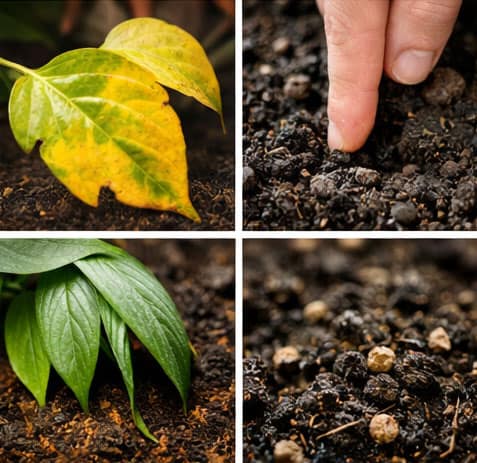
- No drainage hole (decorative pots are root rot factories unless used as cachepots)
- Pot too large
- Soil too dense (especially cheap potting mix that compacts)
- Low light (plants drink less in low light)
- Cold rooms / winter (drying slows dramatically)
- Watering “a little bit” often (keeps soil constantly moist instead of a healthy wet→dry cycle)
Root rot Prevention checklist:
(save this part)
If you only keep one section from this article, keep this:
- Use pots with drainage
- Use airy soil with perlite/bark
- Water only when soil is appropriately dry
- Bright indirect light helps soil dry in a healthy rhythm
- Empty saucers and cachepots
- Reduce watering in winter
- When in doubt: wait one more day
Plants can forgive slight underwatering.
Root rot is harder to forgive because it attacks the plant’s foundation.
FAQ
(quick answers people search for)
Can a plant recover from root rot?
Yes—if you remove the rot, repot in airy soil, and correct watering habits early enough.
Do I need to change the soil?
Almost always, yes. Old soggy soil keeps pathogens and poor airflow.
Should I cut yellow leaves off?
If they’re fully yellow, yes—they won’t turn green again. If they’re partly yellow, keep them until the plant stabilizes.
How long does recovery take?
Usually 2–6 weeks to see new growth, depending on the plant and how many roots were lost.
A gentle ending
(because plant care is personal)
If you’re reading this because you think you “ruined” your plant, please hear this:
Overwatering doesn’t mean you’re bad at plant care.
It means you care.
Root rot is one of those lessons almost everyone learns the hard way, because the plant looks thirsty when it’s actually drowning.
Now you know the signs. You know how to check. You know exactly what to do.
And next time your plant droops, you won’t panic-water.
You’ll pause, test the soil, and respond like someone who truly understands plants.
That’s real plant confidence.